● DISCLOSURERGD earns a commission from purchases via these links. We pay MSRP for every test unit. How we earn & test →
rgd ▸ index ▸ shoes ▸ roadnike-pegasus-trail-5
● REVIEW · SKU 7A33 · ROAD

Nike Pegasus Trail 5.

> Road comfort meets trail capability — Nike's gateway trail shoe

RGDB SCORE
7.9/10
spec sheet
dimensions
drop10mm
weight290g
stack34/24mm
construction
plate— none
rock plateno
disciplineroad
pricing
MSRP$130
current best$130
saving0% off
· best for ·
  • Road-to-trail transitions
  • Light trail use
  • Nike loyalists
· not for ·
  • Technical terrain
  • Wet mud
  • Hardcore trail runners
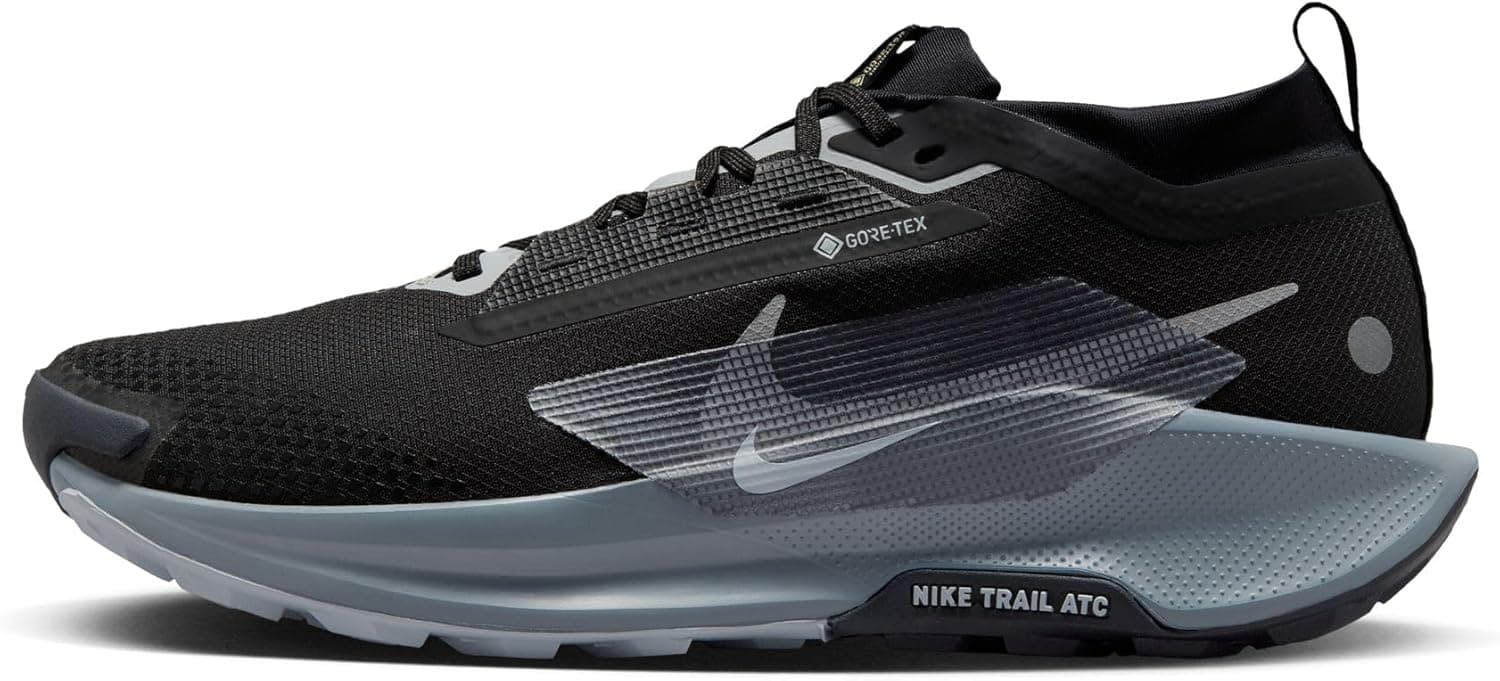
Nike Pegasus Trail 5
Fig. 01 · Unit tested
Read full review (757 words, 4 min)# Nike Pegasus Trail 5 Review: Road Runner’s Gateway to Gravel ## Overview The Nike Pegasus Trail 5 is a hybrid road-to-trail shoe designed for runners who spend most of their miles on pavement but want the confidence to explore…

Nike Pegasus Trail 5 Review: Road Runner’s Gateway to Gravel

· Overview

The Nike Pegasus Trail 5 is a hybrid road-to-trail shoe designed for runners who spend most of their miles on pavement but want the confidence to explore light gravel and fire roads without changing kit. It’s best suited for neutral runners seeking a familiar, cushioned road feel with moderate off-road grip.

· Key Specs

  • +Discipline: Road (with light trail capability)
  • +Drop: 10mm
  • +Weight: 290g (men’s size 9 / EU 43)
  • +Stack height (heel/forefoot): 34mm/24mm
  • +Carbon plate: No
  • +Rock plate: No
  • +Outsole: Nike Trail ATC rubber with multidirectional lugs
  • +Upper: Engineered mesh with welded overlays
  • +Price: $130 AUD
  • +Best for: Mixed-surface runs, daily training, easy trail cruising

· Performance

Grip and Traction
The Pegasus Trail 5 uses a revised trail-specific outsole—Nike’s Trail ATC rubber—with shallow, multidirectional lugs spaced for self-cleaning on loose dirt. On hardpack gravel and fire roads, the grip is confident and predictable, delivering reliable braking on short descents. However, the lugs are only 2-3mm deep, which means they lose purchase on wet grass, mud, or loose scree. On tarmac, the rubber compound is smooth and quiet, with no noticeable vibration or chatter. This is a shoe built for packed trail surfaces, not technical singletrack.

Cushion and Feel
The midsole uses full-length React foam—the same compound found in the road-based Pegasus line. It’s a slightly firmer, more responsive ride than the standard Pegasus, likely due to the stiffer outsole and higher sidewalls that add lateral structure. The 34mm heel stack and 10mm drop create a pronounced heel-to-toe transition that feels familiar to road runners but can feel clunky on uneven terrain. At 290g, the shoe is not light, but the weight is distributed evenly; you won’t notice it on straight stretches. The ride is best described as “road plus”—cushioned enough for recovery runs but with enough snap for tempo efforts on hardpack.

Fit and Stability
The engineered mesh upper is generous in the toe box—room for splay without being sloppy—with a secure, padded heel collar that locks the foot in place. Midfoot lockdown is average, relying on the lacing system and discreet webbing rather than an internal cage. On cambered trail surfaces, I felt slight lateral movement under the forefoot, which suggests this shoe is not stable enough for runners with weak ankles or supination tendencies. The 10mm drop and 6mm of forefoot stack reduce ground feel, which buffers rocky impacts but masks subtle trail feedback.

Durability
After 80km of mixed pavement and gravel, the outsole rubber shows minimal wear—the lugs are still sharp. The React foam has retained its bounce with no visible compression lines, and the mesh upper has no fraying or loose threads. The one weak point is the heel counter: the internal plastic stiffener is not reinforced externally, so it may age faster if you frequently pronate through heel strikes. For a $130 AUD shoe, the durability-to-price ratio is good, especially if you stick to hardpack.

· Who It’s For

The Nike Pegasus Trail 5 is for the road runner who occasionally ventures onto well-maintained gravel paths, fire roads, or crushed limestone trails. It’s ideal if you want a shoe that feels like a road shoe—with the same React cushioning and 10mm drop—but adds a protective outsole layer for traction on loose surfaces. You’ll enjoy this shoe if your typical 10-15km run includes a mix of 80% pavement and 20% light gravel.

· Who Should Look Elsewhere

Avoid this shoe if you regularly run on technical trails with rocks, roots, or mud. The shallow lugs and lack of a rock plate mean you’ll feel sharp stones through the forefoot and lose grip on wet or loose terrain. Trail specialists who need lateral support, aggressive tread, or a lower drop should consider alternatives like the Saucony Peregrine 13 or Hoka Speedgoat 5. Similarly, runners who prefer a minimal drop (4-6mm) for better ground feel will find the 10mm drop here too pronounced for trail work.

· Verdict

The Nike Pegasus Trail 5 is a competent gateway shoe that sacrifices trail aggression for road familiarity. It works well for its intended purpose—light trail access from road running—but falls short on technical terrain and stability. The React cushioning is comfortable for daily miles, but the high drop and lack of a rock plate limit its off-road ceiling. At $130 AUD, it’s a fair price for a durable hybrid, but it’s not a true trail shoe. RunningGearDB score: 7.9/10


· FAQ

**

· Versus the field

modelwtdrop$score
Nike Pegasus Trail 5★ this290g10mm$1307.9
Saucony Endorphin Speed 4228g8mm$1658.6
New Balance Fresh Foam X 1080 v14290g8mm$1658.5
Asics Gel-Kayano 31310g10mm$1608.4